The Posterior
The posterior is the updated confidence after the prior and evidence have been combined.
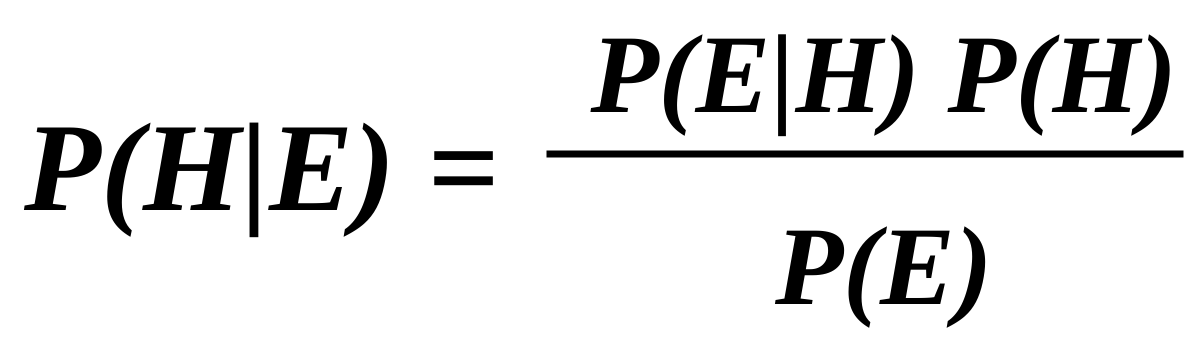
H is the hypothesis: the possible explanation you are checking. E is the evidence: the clue or observation you just noticed. Read the formula as: updated confidence in H after seeing E equals how well E fits H, times your starting confidence in H, adjusted by how common E is overall.
Where Confidence Lands
The posterior is the confidence level after the update. It is where you land after combining the prior, the likelihood, and the evidence term.
The posterior may be high, low, or only slightly changed. Bayes theorem does not guarantee dramatic updates. Sometimes new evidence is weak, expected anyway, or already included in the prior.
Posterior vs Assigned Credence
In Credencing terms, the posterior is the confidence warranted by the Bayesian update. Assigned Credence (CA) is the confidence the agent actually adopts.
A person may calculate or perceive a moderate posterior, then assign a much stronger confidence because of fear, hope, identity, or pressure. That is where the Core Rationality part of the project enters.
Mental Walk-Through
After seeing the evidence, ask: where should my confidence be now, and did it move by the right amount?
Then ask a second question: am I actually willing to live with that confidence, or am I inflating or deflating it for non-evidential reasons?
Adjacent References
These are starting points rather than exhaustive citations. They connect this page to nearby work in probability, calibration, cognitive bias, and social epistemology.
- |Thomas Bayes, "An Essay towards solving a Problem in the Doctrine of Chances" (1763).
- |E. T. Jaynes, Probability Theory: The Logic of Science (2003).