The Evidence Term
The evidence term normalizes the update by asking how expected the evidence is overall.
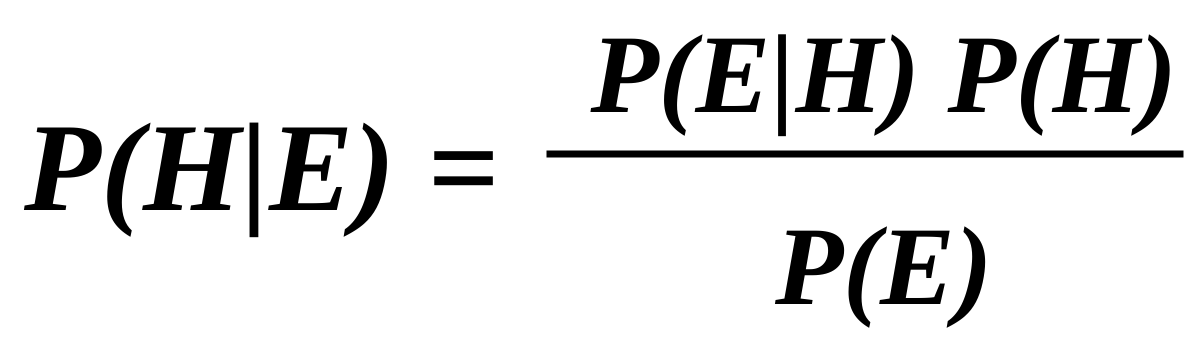
H is the hypothesis: the possible explanation you are checking. E is the evidence: the clue or observation you just noticed. Read the formula as: updated confidence in H after seeing E equals how well E fits H, times your starting confidence in H, adjusted by how common E is overall.
Why the Denominator Matters
The evidence term, often written P(E), asks how likely the evidence is across the whole space of possibilities. It prevents the update from looking only at the favored hypothesis.
If evidence is common under many explanations, it should not move confidence very far. If evidence is common under one explanation and rare under alternatives, it can move confidence a lot.
Rival Explanations
Practitioners mentally compare live alternatives. A scientist asks whether an experimental result supports the theory or whether it could come from measurement error, confounding variables, or chance.
This is why strong reasoning does not stop at “my explanation can explain it.” Many explanations can explain many things after the fact. The stronger question is which explanation expected the evidence beforehand.
Mental Walk-Through
Ask: how else might this evidence have appeared? Is it a unique signal, or would it happen often even if my hypothesis were wrong?
This step is a safeguard against confirmation bias. It forces your favored explanation to compete with alternatives.
Adjacent References
These are starting points rather than exhaustive citations. They connect this page to nearby work in probability, calibration, cognitive bias, and social epistemology.
- |Thomas Bayes, "An Essay towards solving a Problem in the Doctrine of Chances" (1763).
- |E. T. Jaynes, Probability Theory: The Logic of Science (2003).