Bayes Theorem Overview
Bayes theorem is a disciplined way to revise confidence when evidence arrives.
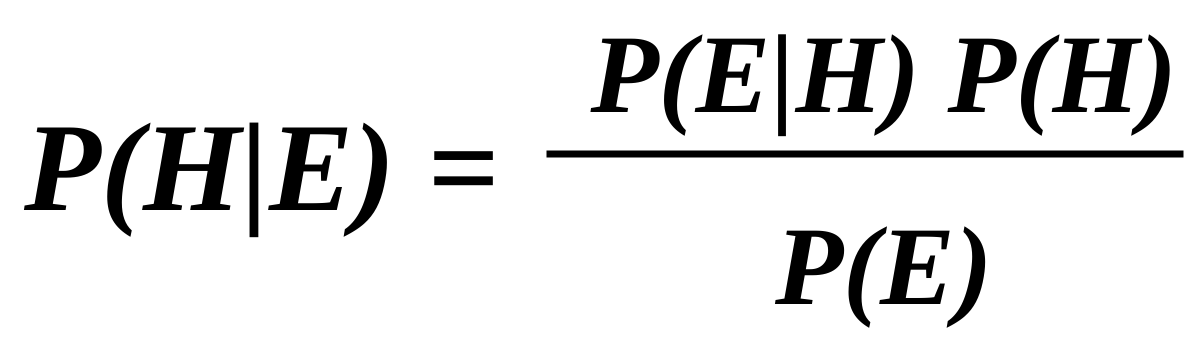
H is the hypothesis: the possible explanation you are checking. E is the evidence: the clue or observation you just noticed. Read the formula as: updated confidence in H after seeing E equals how well E fits H, times your starting confidence in H, adjusted by how common E is overall.
The Question Bayes Answers
Bayes theorem answers a simple but deep question: after seeing some evidence, how confident should I now be in a hypothesis?
It is not a machine for turning weak evidence into certainty. It is a rule for updating. It tells you how to combine your starting confidence with the diagnostic strength of new evidence.
The Everyday Shape
You already use a rough version of Bayes when you revise expectations. If a reliable friend says the train is delayed, your confidence rises. If a stranger with no source says the same thing, your confidence may barely move.
The difference is not just the claim. It is how expected that report would be if the train really were delayed, how often such reports are false, and what you already knew about the train system.
Why It Matters for Credencing
Credencing asks whether confidence is proportional to evidence. Bayes theorem gives one powerful account of proportionality: confidence should move by the strength of the evidence, not by fear, vividness, loyalty, or wishful thinking.
In the Credencing model, Bayesian reasoning mainly improves Deep Rationality (SD): it helps the agent move from Objective Evidence (E0) toward a better Perceived Evidence (EP). Core Rationality then asks whether Assigned Credence (CA) actually follows that improved perception.